What Is a CRM—and Why Miami Small Businesses Need One
Traffic is expensive if leads sit in an inbox nobody checks.
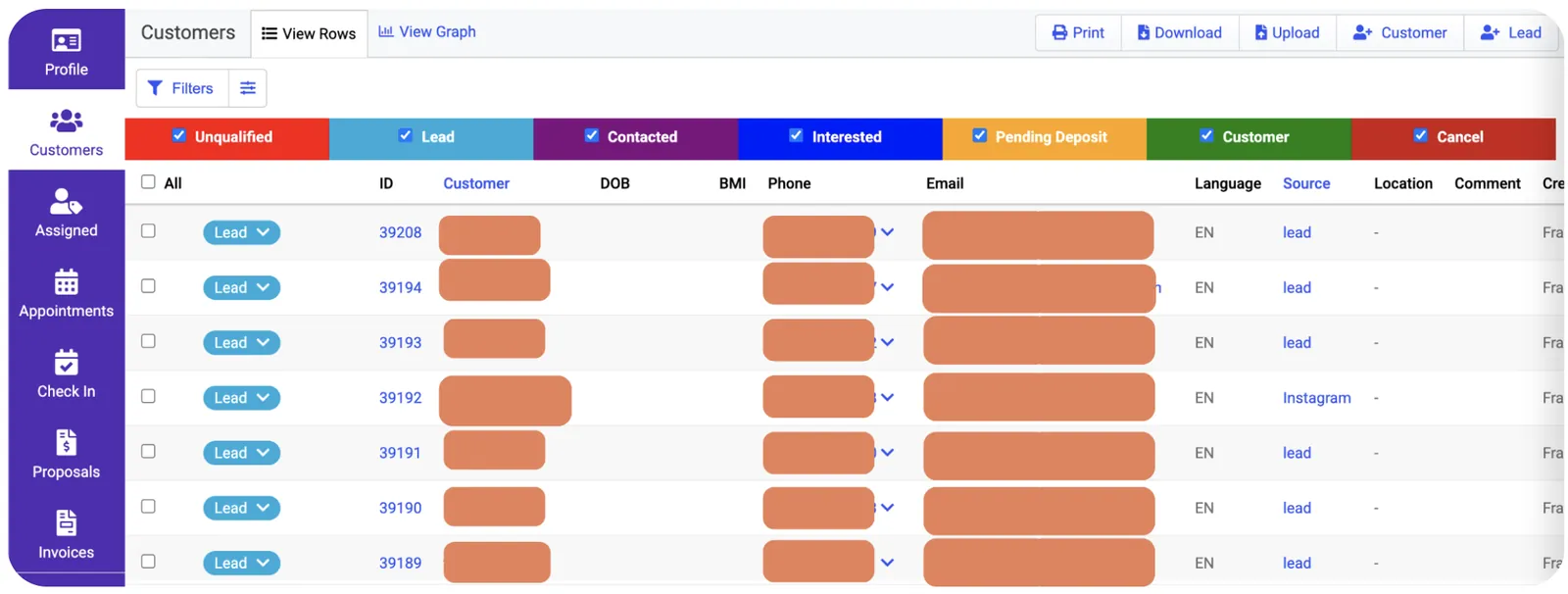
CRM is your single source of truth
A CRM (customer relationship management system) stores every lead and customer, their source, conversation history, tasks, and pipeline stage. For teams juggling phone calls, texts, DMs, and walk-ins, it prevents the classic “I thought you called them” revenue leak.
Small businesses in Miami often start with spreadsheets until volume breaks the system—usually right after ads scale or a second location opens. Migrating earlier is cheaper than reconstructing lost deals later.
Speed-to-lead wins service jobs
Studies across home services consistently show faster response correlates with higher close rates. CRMs enable auto-texts, task reminders, and escalation rules so no hot lead ages overnight. Pair CRM with call tracking so you know which channel produced the call and whether it was answered live.
Bilingual teams can tag language preference and route scripts accordingly—critical in South Florida markets.
Automations that pay for themselves
Beyond storage, CRMs run workflows: appointment reminders, review requests, reactivation drips, and nurture sequences after estimates. The goal is not more email—it is fewer forgotten follow-ups.
We build GoHighLevel setups that mirror how you actually sell, not generic templates that your team abandons in week two.
Key takeaways
- CRM ends revenue leaks from missed follow-up.
- Automate reminders and reviews only after the process is mapped.
- Connect CRM sources to ads and SEO reporting for honest ROI.
If your leads live in three apps and a sticky note wall, Call us at (786) 373-8691 call us at (786) 373-8691 and we will propose a cleaner stack.