How to Improve Google Maps Visibility in Miami
Maps is not a lottery—it is a scoreboard for operational excellence plus a few disciplined marketing habits.
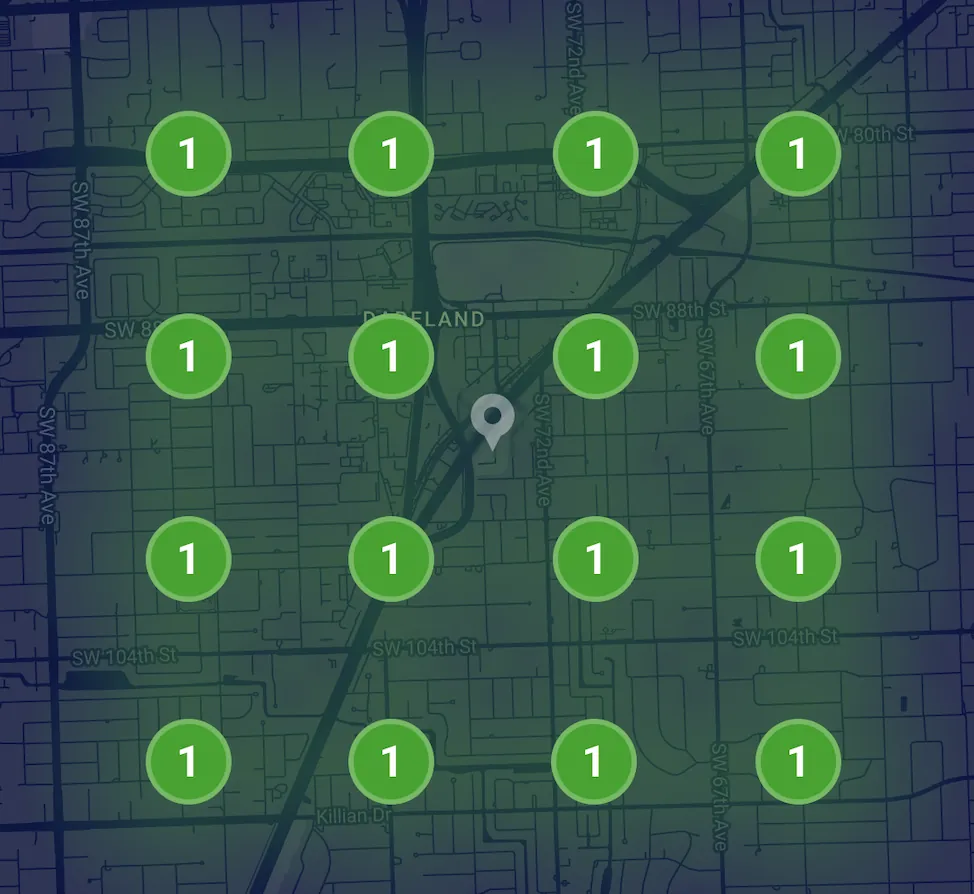
Relevance: say what you do in the language customers use
Categories, services, and website copy should reflect how people search: neighborhood names, urgent problems, and service modifiers (“emergency,” “same day,” “bilingual”). Avoid stuffing; write for humans first, then check coverage against real Search Console and GBP queries monthly.
Landing pages should echo the promise of the ad or profile click. If someone taps “book cleaning in Kendall,” the page should immediately reinforce Kendall service, pricing transparency, and a clear call button.
Prominence: reviews, links, and branded search
Prominence is where reviews, press, and backlinks matter. Steady review velocity plus real-world mentions beats one-time spikes. Branded search growth also helps—run email and social campaigns that get people typing your actual business name into Google.
Photography matters more than owners expect: geo-tagged, well-lit, unique images outperform stock sets and signal a real location.
Distance: work with geography honestly
You cannot fake being closest to every user. Set service areas truthfully and build location pages or neighborhood content only where you truly operate. Google’s systems are better than ever at detecting fake addresses.
If you are in Cutler Bay serving South Dade, own that geography with localized case blurbs, community involvement, and pages that answer neighborhood-specific questions.
Key takeaways
- Align categories, services, and landing pages with real search language.
- Prominence needs ongoing reviews and legitimate mentions.
- Honest service areas beat fake proximity every time.
Want a map visibility checklist tailored to your ZIPs? Call us at (786) 373-8691 Start with a quick call.