How Citations Work and Why They Matter for Local SEO
If Google cannot trust your business name, address, and phone number across the web, it is harder to rank in the local pack—no matter how pretty your website is.
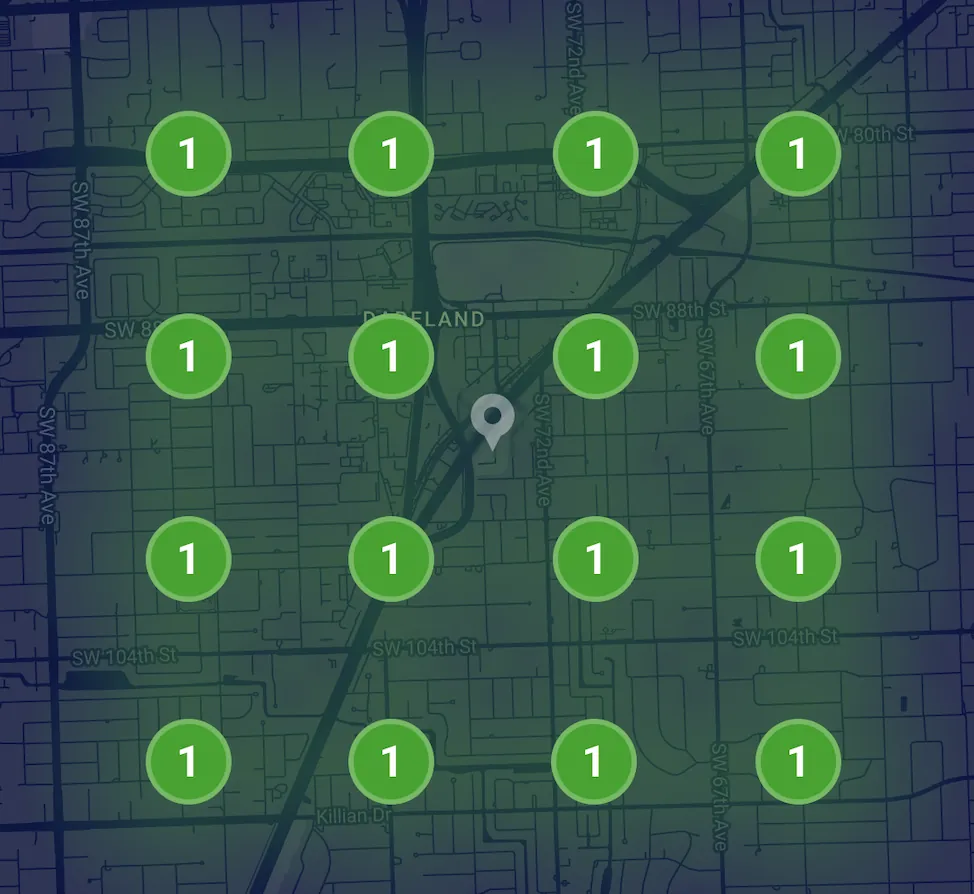
What a citation actually is
A local citation is any mention of your business that pairs your name with your address and phone number (often called NAP). That mention can live on Yelp, Apple Maps, your chamber of commerce, a supplier directory, a local blog, or a neighborhood resource page. Search engines do not treat every mention equally, but together they paint a picture of whether your business is real, stable, and easy to contact.
Think of citations as the footnotes of your online presence. Your website is the essay; citations are the references that say, “Yes, this business exists here, under this name, and customers can reach them at this number.” When those references disagree, both humans and algorithms hesitate—and hesitation shows up as lower trust, fewer map impressions, and more abandoned calls.
Why consistency beats volume
The most common citation mistake is not missing listings—it is conflicting listings. “St.” versus “Street,” a suite number on one profile but not another, an old tracking number still live on a directory from three years ago, or a shortened business name on Facebook that does not match Google. Each mismatch is a small doubt. Enough small doubts add up to a competitive disadvantage, especially in crowded Miami-Dade categories like HVAC, dental, legal, and home services.
High-quality citations on relevant, indexed sites matter more than spraying your NAP across low-value networks. A handful of accurate, category-relevant listings plus a clean Google Business Profile will outperform hundreds of thin mentions that exist only for SEO. We start with a master NAP record, then align the top directories and industry sources your customers actually use.
How citations interact with Google Maps
Google Maps rankings are driven by relevance, distance, and prominence. Citations feed the prominence and trust side of that equation—especially when they reinforce your primary category, service areas, and website. They also help Google validate that your business is not a duplicate or a lead-gen shell, which matters in markets where spam listings still slip through.
Citations do not replace reviews, photos, posts, on-page SEO, or a fast mobile site. They complement them. The businesses that win locally in Coral Gables, Kendall, Hialeah, and Cutler Bay tend to be boringly consistent: the same name everywhere, the same phone number customers dial, and the same address you verify on GBP.
A simple audit workflow you can use this week
Export your top twenty live listings (GBP, Bing, Apple, Yelp, Facebook, BBB, industry sites, and any legacy directories from old agencies). Compare each to your master NAP. Fix duplicates before you fix “missing” sites—duplicates split reviews and confuse ranking systems. Then update the highest-traffic directories first, because those are the ones customers and Google both weight more heavily.
After cleanup, set a quarterly reminder to re-check auto-generated listings. Data aggregators and partner feeds can silently revert a suite number or reintroduce an old brand name. If you rebrand, plan a citation refresh as part of the launch checklist, not as an afterthought.
Key takeaways
- Citations are trust signals; consistency matters more than raw count.
- Fix duplicates and outdated phone numbers before chasing new directories.
- Align citations with your GBP categories and the service areas you truly serve.
If you want a second pair of eyes on your citation footprint, we include local listing review when you call us and can prioritize fixes by impact—not busywork. Call us at (786) 373-8691.