How Much Does Google Ads Cost for a Miami Business?
There is no single number—but there is a smarter way to budget than guessing based on a national blog post.
Separate media spend from management
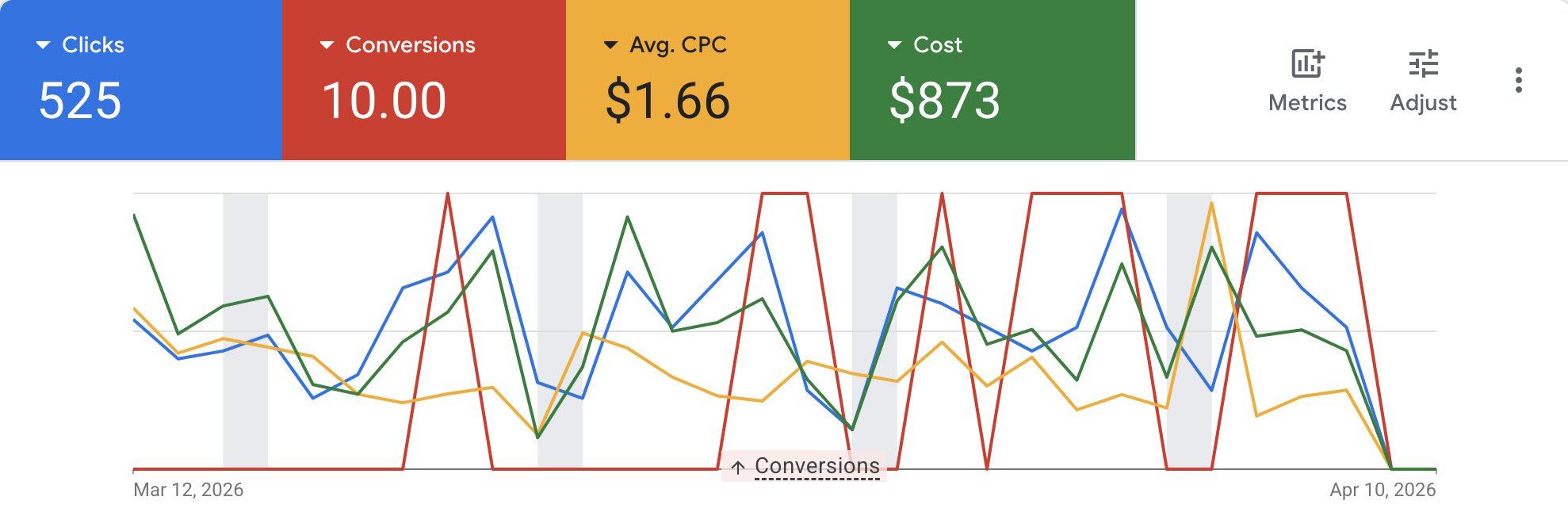
Google bills your card for clicks and impressions—that is media spend. Your agency charges for strategy, build, and optimization—that is management. Confusing the two makes budgets look artificially high or low. We are transparent: management covers landing page recommendations, negative keyword hygiene, conversion tracking, and reporting; ad spend goes straight to Google.
If someone quotes “$500 a month all-in” without clarifying how much actually buys clicks, you do not yet have a useful budget conversation.
Why Miami can feel expensive
High-intent service keywords in dense ZIP codes attract more advertisers. Insurance, legal, dental, and HVAC categories often have higher CPCs than niche B2B trades. That is not a reason to avoid Google Ads—it is a reason to tighten geography, match types, ad copy, and landing pages so you only pay for searches you can serve well.
Seasonality matters: hurricane prep, holidays, and school calendars shift search volume for many local verticals. Build flex into monthly caps so you can capture demand when it spikes without blowing ROAS targets.
What a sensible starting range looks like
Many local service accounts we manage begin with meaningful weekly data in the hundreds to low thousands per month in media—enough to exit learning mode and see which keywords actually book jobs. Micro-budgets can work for hyper-niche offers, but they slow learning and hide structural issues in tracking.
Pair spend with call and form tracking tied to CRM outcomes. If you cannot see which clicks become booked revenue, you will optimize for cheap clicks that never pay rent.
How to know you are winning
Ignore vanity impressions. Watch cost per qualified lead, cost per booked job, and payback period. Improve lead quality with negative keywords, tighter locations, and ad schedules that match when your team actually answers the phone. In bilingual markets, split campaigns or ad variants by language when data supports it.
If numbers are flat, the answer is often landing page or speed—not another broad match keyword. Fix the leak before you pour more water into the bucket.
Key takeaways
- Budget media and management separately; both need line items.
- Miami competition rewards tight geography and clean tracking.
- Optimize for booked revenue, not lowest CPC.
Want a realistic spend model for your category? Call us at (786) 373-8691 Bring your goals to a quick call and we will map scenarios.